
How Sleep and Skin Health Are Connected

Getting enough quality sleep is an important part of a healthy lifestyle, and it can also support overall skin wellness.
While sleep alone cannot prevent every skin concern, maintaining a regular sleep schedule may help the body carry out its natural repair and recovery processes.
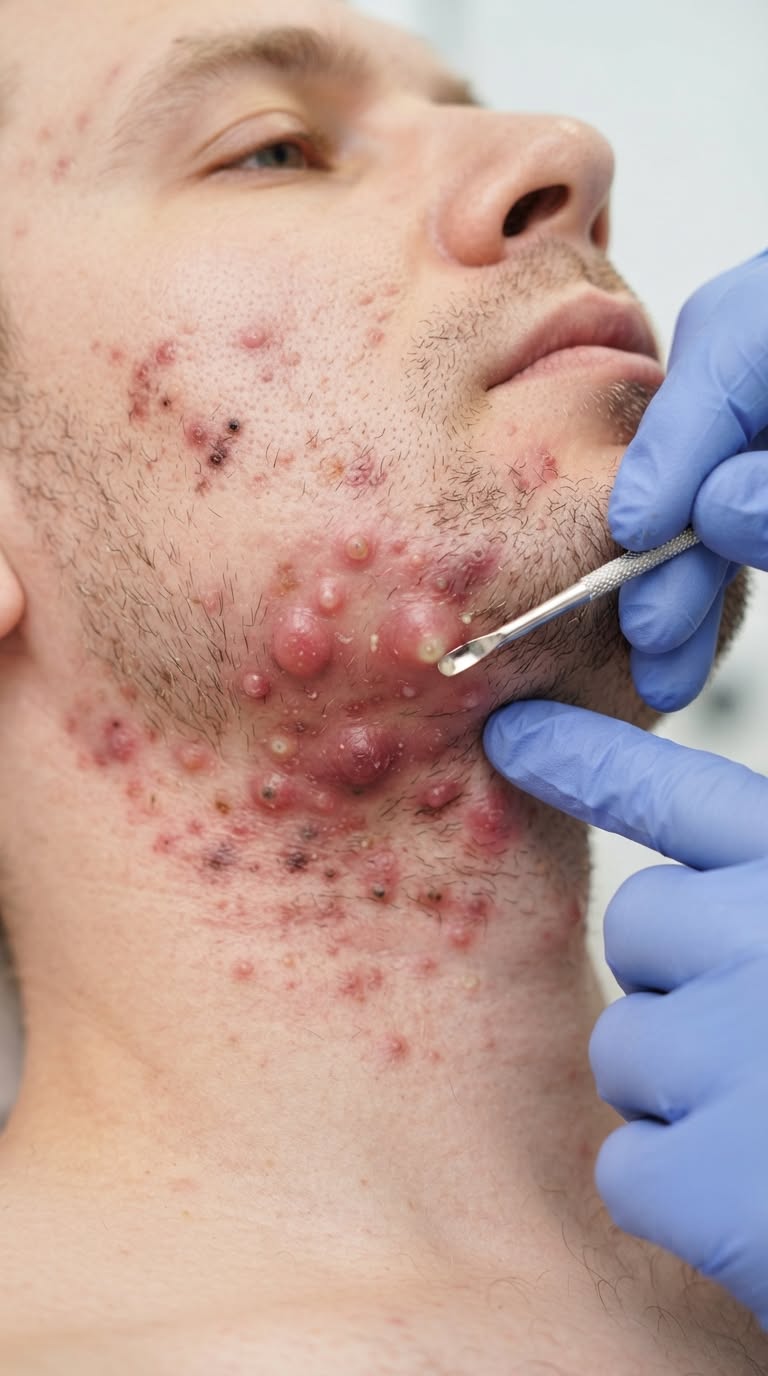
During sleep, the body works to maintain and restore tissues, including the skin. Poor sleep may affect stress levels, which can influence skin conditions such as acne in some people. Although everyone’s skin is different, a balanced routine that includes sufficient rest can be a helpful step toward healthier-looking skin.
Creating a relaxing bedtime routine does not need to be complicated. Try going to bed at a consistent time, reducing screen use before bedtime, and keeping your sleeping space comfortable. Adults generally benefit from seven to nine hours of sleep each night, although individual needs may vary.
Gentle skincare habits can complement good sleep. Cleanse your face before bed, choose products suited to your skin type, and avoid harsh scrubbing. Drinking enough water throughout the day and enjoying balanced meals can also contribute to general well-being.
Remember that healthy skin develops through consistent care rather than overnight changes. If acne or other skin concerns persist, a qualified healthcare professional can offer personalized guidance. By prioritizing restful sleep and simple daily habits, you can support both your overall wellness and your skin health.
