
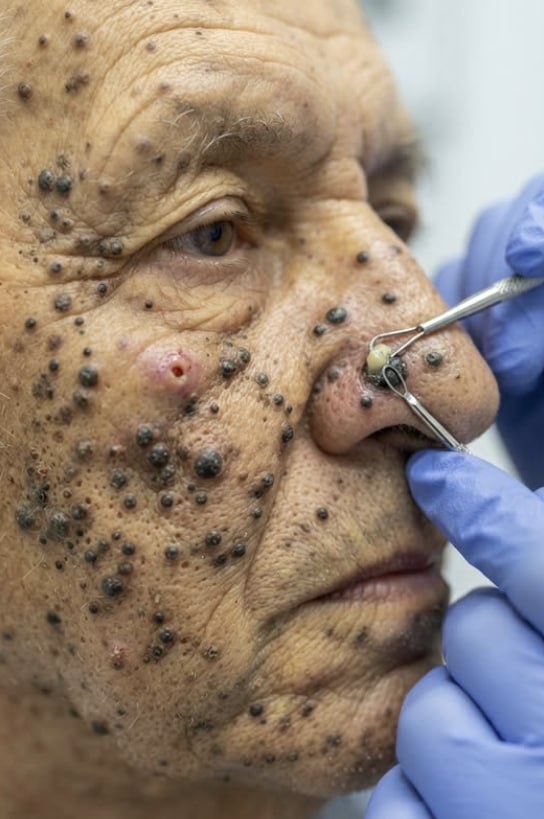
Understanding the Everyday Factors Behind Acne

Acne is a common skin concern that can affect people at different stages of life.
Understanding the everyday factors behind acne can help you develop healthier skin care habits and approach your routine with patience and confidence.
One important factor is the natural production of oil in the skin. When excess oil combines with dead skin cells, pores may become clogged, contributing to breakouts. Hormonal changes can also influence oil production, which is why acne may appear during adolescence, adulthood, or certain stages of life.
Daily habits may play a role in skin wellness, too. Sweat, friction from clothing, and touching the face frequently can sometimes contribute to irritation. Stress and changes in sleep patterns may also affect how the skin behaves, although their effects differ from person to person.
A gentle, consistent skin care routine is a helpful starting point. Cleanse your face without scrubbing harshly, choose products suited to your skin type, and use a moisturizer that feels comfortable. Avoid picking pimples, as this can increase irritation and the risk of marks.
Remember that acne is not a sign of poor hygiene, and breakouts are not always preventable. Healthy habits can support overall skin wellness, but results take time. If acne persists or causes discomfort, a qualified health professional can help you explore suitable care options.
