
Understanding Different Types of Acne

Acne is a very common skin condition, but not all breakouts are the same.
Understanding the different types of acne can help you choose gentler skincare habits and know when it may be helpful to speak with a healthcare professional.
Whiteheads are small bumps that form when pores become clogged with oil and dead skin cells but remain closed at the surface. Blackheads are also clogged pores, but the opening stays exposed to air, which causes the darker appearance.
Inflammatory acne includes papules and pustules. Papules are red, tender bumps, while pustules contain visible pus and are often called pimples. These types may become irritated when the skin is touched frequently.
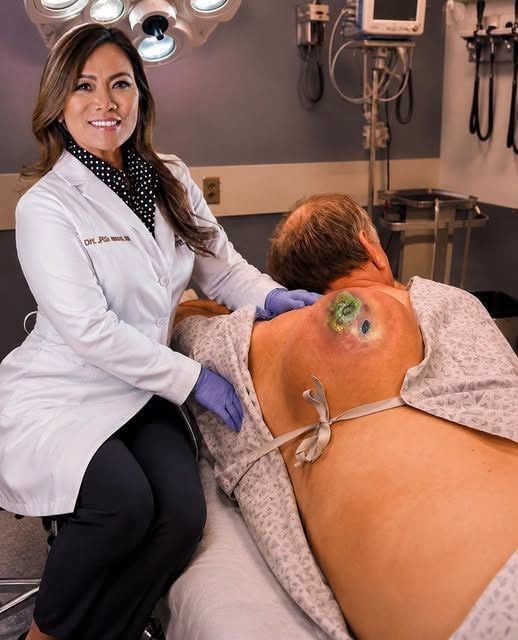
More severe forms include nodules and cysts. Nodules are larger, painful bumps that develop deeper under the skin. Cysts are soft, swollen lesions that can be uncomfortable and may increase the risk of scarring if not treated properly.
Many people experience a combination of these types rather than just one. A gentle routine with mild cleansing, non-comedogenic moisturizers, regular sunscreen use, and avoiding picking at the skin can support healthier-looking skin. Patience is important, as acne often improves gradually with consistent, gentle care over time for many individuals.
