
Understanding Acne and Everyday Health

Acne is a common skin concern that can affect people of different ages and skin types.
It often develops when pores become clogged with oil and dead skin cells. Hormonal changes, genetics, stress, and certain skin care products may also contribute to breakouts. Understanding these factors can help people make thoughtful choices about their daily routines.
Everyday health habits play an important role in overall skin wellness. Gentle cleansing in the morning and evening helps remove excess oil, sweat, and everyday buildup. Using a suitable moisturizer can support the skin’s natural protective barrier, while non-comedogenic products may be helpful for acne-prone skin. Avoiding harsh scrubbing and frequently switching products can also reduce unnecessary irritation.
Healthy lifestyle habits deserve attention, too. Getting enough sleep, staying hydrated, eating a balanced variety of foods, and finding time to relax can support general well-being. Although these habits do not guarantee clear skin, they can contribute to a more balanced approach to personal care.
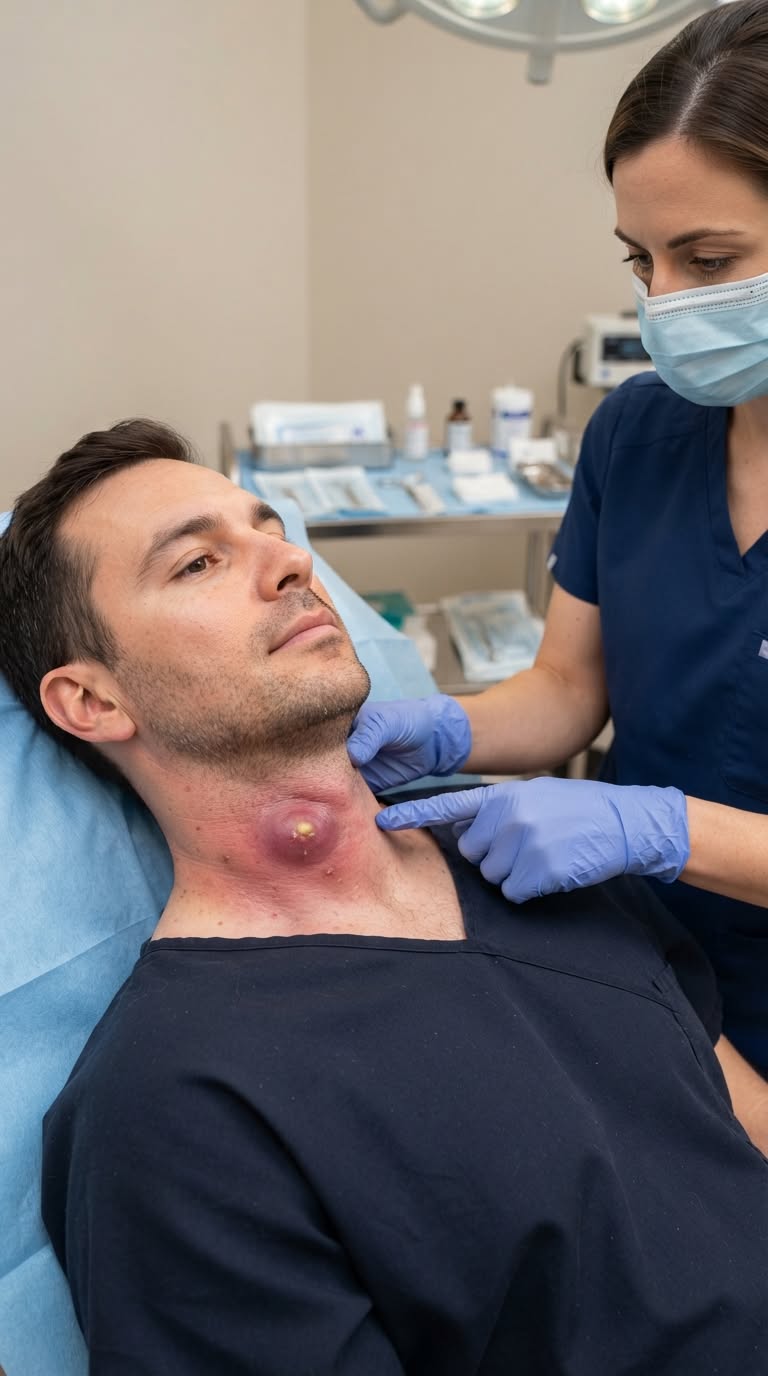
It is also important to remember that acne is not a sign of poor hygiene. Breakouts can happen even when someone follows a consistent routine. Be patient with your skin and avoid comparing your progress with others. If acne becomes painful, persistent, or leaves scars, a qualified healthcare professional or dermatologist can help you explore appropriate options.
With realistic expectations and gentle daily care, you can build healthier habits and feel more comfortable in your skin.
