
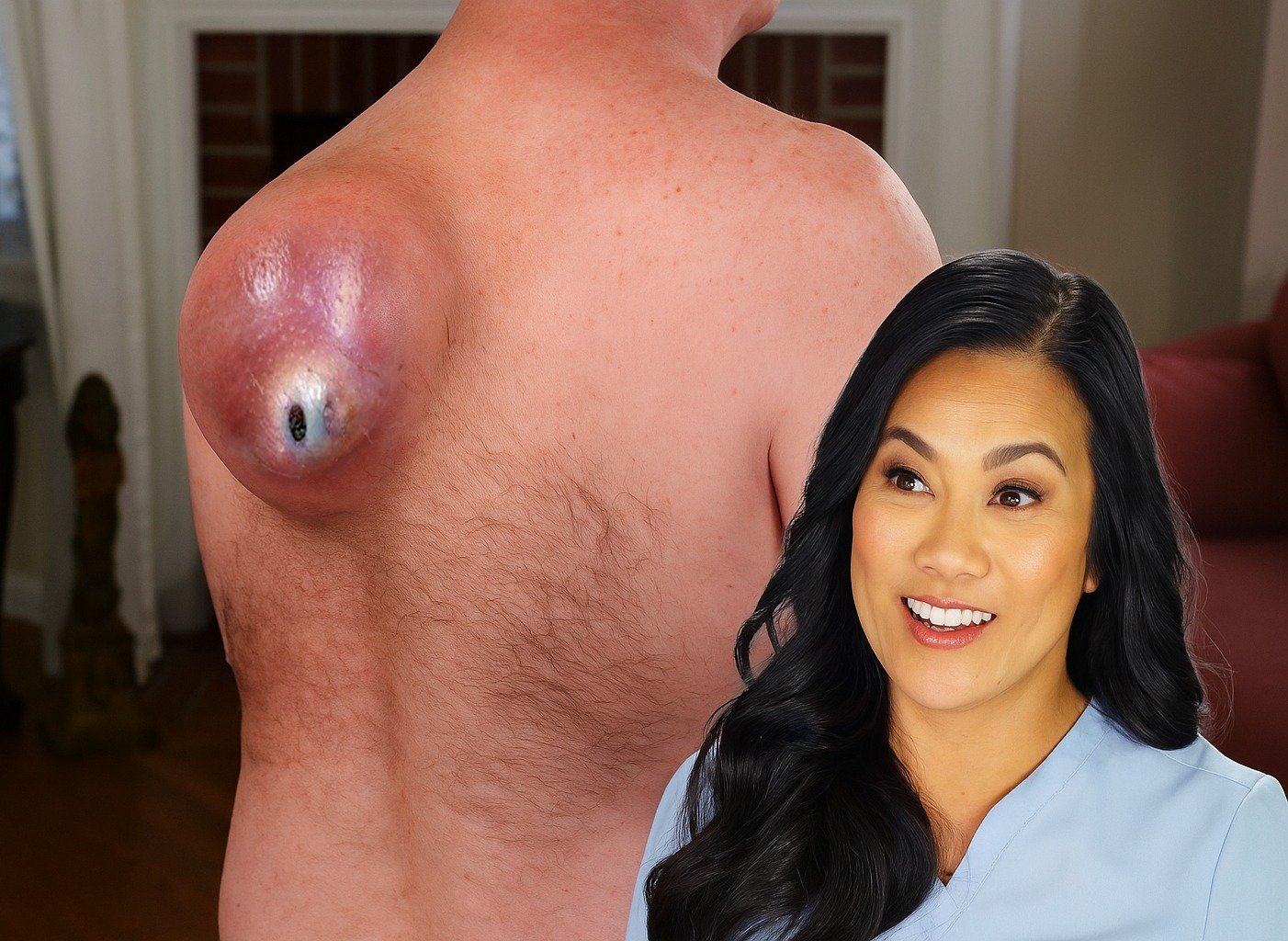
The Science Behind Acne and Oily Skin

Acne and oily skin are common skin concerns that affect people of all ages.
These conditions develop when the sebaceous glands produce excess oil, also known as sebum. While sebum helps protect and moisturize the skin, too much of it can mix with dead skin cells and clog pores. This creates an ideal environment for acne-causing bacteria to grow, leading to blackheads, whiteheads, and pimples.
Hormones often play a major role in oily skin and acne breakouts. During puberty, stress, or hormonal changes, the body may produce more androgens, which stimulate oil glands. Genetics, diet, and certain skincare products can also influence how much oil the skin produces. People with oily skin may notice a shiny appearance, enlarged pores, and frequent blemishes, especially on the forehead, nose, and chin.
Maintaining a gentle skincare routine can help control excess oil without irritating the skin. Washing the face with a mild cleanser, using non-comedogenic products, and staying hydrated are simple ways to support healthier skin. Understanding the science behind acne and oily skin helps individuals make informed choices and maintain balanced, clearer skin naturally.
