
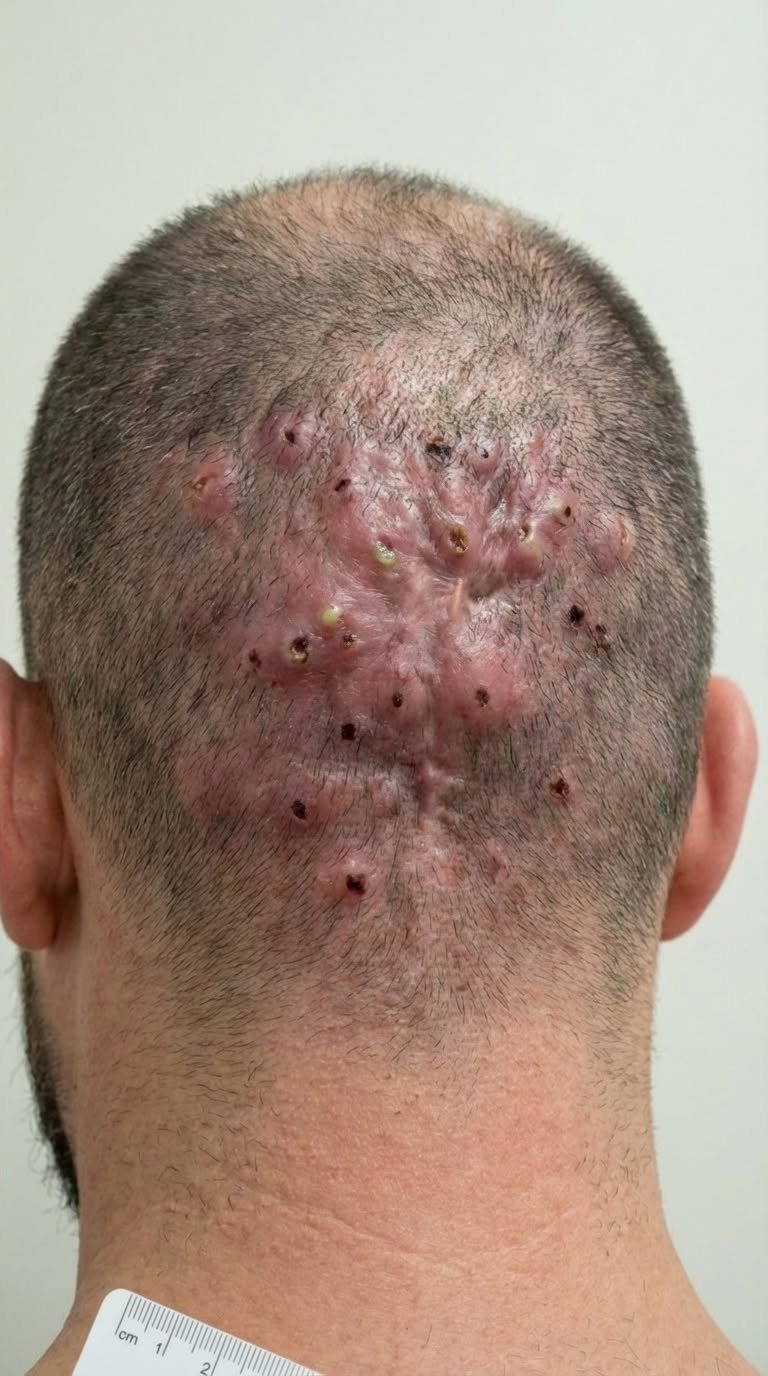
The Role of Sleep in Acne Prevention

Sleep plays an important role in maintaining clear and healthy skin, especially when it comes to preventing acne.
When the body does not get enough rest, hormone levels can become unbalanced, leading to increased oil production and clogged pores. Over time, this may contribute to more frequent breakouts and slower skin healing. Quality sleep also supports the body’s natural repair process, helping reduce inflammation and improve overall skin appearance.
A consistent sleep schedule helps regulate stress hormones such as cortisol, which are known to affect acne development. High stress levels can trigger skin sensitivity and increase the likelihood of breakouts. Going to bed and waking up at similar times each day can improve the body’s internal rhythm, making skin more resilient over time. Creating a calm bedtime routine, such as limiting screen use and relaxing before sleep, may also support better skin health.
Good sleep hygiene also includes maintaining comfortable sleep environment that is dark, quiet, and cool. Avoiding heavy meals and caffeine close to bedtime can improve sleep quality. When the body rests night, it has chance to repair damaged skin cells and maintain balanced complexion. Over time, these habits can contribute to fewer breakouts and healthier skin overall.
