
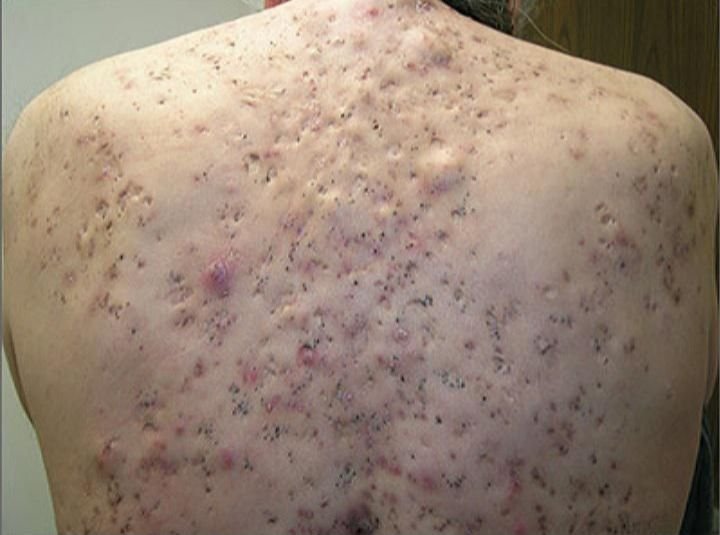
Hormonal Acne Explained Simply

Hormonal acne is a common skin condition that happens when hormone levels change and affect the skin’s oil production.
It often appears during puberty, menstruation, pregnancy, or times of stress. Many people notice breakouts around the chin, jawline, cheeks, or forehead. These pimples can range from small bumps to deeper, more sensitive spots under the skin.
When hormones increase oil production, pores can become clogged with excess oil and dead skin cells. This creates an environment where acne-causing bacteria may grow more easily. Although hormonal acne is very common, each person’s skin reacts differently depending on genetics, lifestyle, and skincare habits.
Gentle skincare can help reduce irritation and support healthier skin. Washing the face with a mild cleanser twice daily and using non-comedogenic products may improve breakouts over time. Avoiding harsh scrubs or excessive touching can also prevent additional irritation. Eating balanced meals, staying hydrated, and getting enough sleep may support overall skin health.
For persistent or severe acne, speaking with a qualified healthcare professional or dermatologist can help identify suitable treatment options. With patience and consistent care, many people successfully manage hormonal acne and improve their skin confidence naturally.
