
Health and Acne: The Science of Pimple Formation Explained

Understanding how pimples develop can make it easier to care for your skin with confidence.
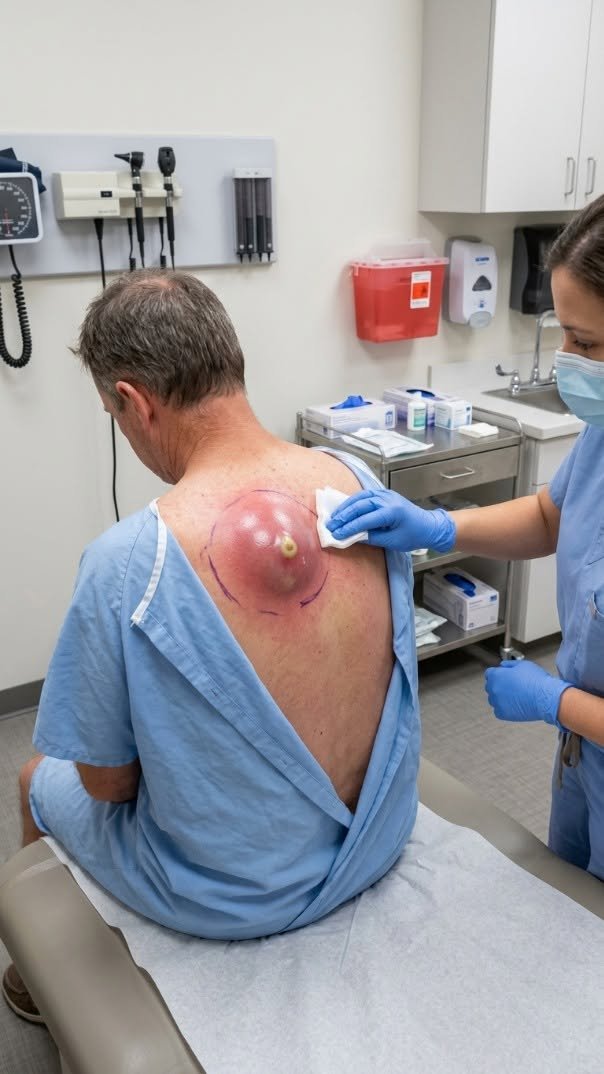
Pimples begin when tiny openings in the skin, called pores, become clogged with excess oil, dead skin cells, and other natural debris. This creates an environment where normally harmless skin bacteria can multiply, leading to redness, swelling, and visible blemishes.
Several factors influence this process. Hormonal changes can increase oil production, especially during adolescence or times of stress. Genetics may also affect how much oil your skin produces and how likely you are to experience breakouts. Daily habits, skincare products, and environmental conditions can also play a role in maintaining healthy skin.
A consistent skincare routine helps support clearer skin over time. Washing your face gently twice a day, choosing products designed for your skin type, and avoiding harsh scrubbing can reduce unnecessary irritation. Staying hydrated, eating a balanced diet, getting enough sleep, and managing stress also contribute to overall skin wellness.
Remember that healthy skin is a journey rather than an overnight result. Learning the science behind pimple formation encourages smarter skincare choices and realistic expectations. With patience and regular care, many people notice gradual improvements while supporting the skin’s natural balance and long-term health.
