
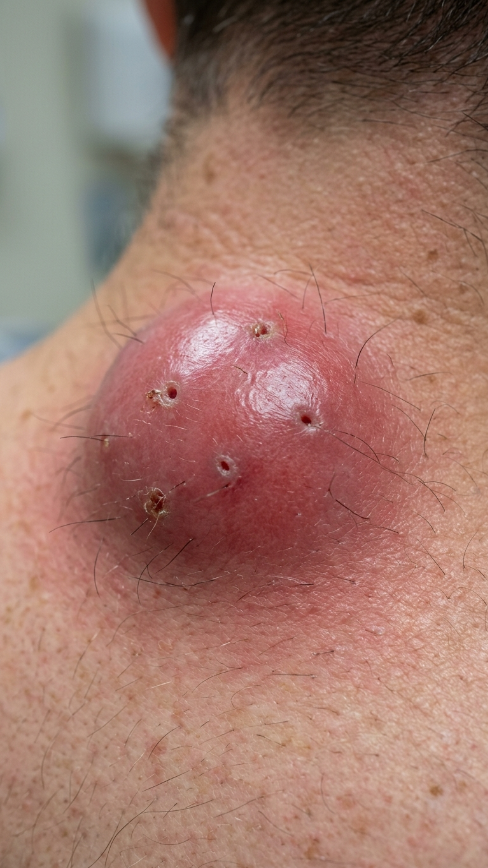
Health and Acne: The Science Behind Pimples

Pimples are a common skin concern that affect people of all ages.
Understanding how they form can help individuals make informed choices about skincare and overall wellness. Acne develops when tiny openings in the skin, known as pores, become clogged with excess oil, dead skin cells, and sometimes bacteria. When this blockage occurs, the pore can become inflamed, leading to a pimple.
The skin naturally produces oil called sebum, which helps keep it soft and protected. However, changes in hormones, stress levels, and certain lifestyle factors can increase oil production. When extra oil mixes with dead skin cells, pores may become blocked more easily. This process creates an environment where acne can develop.
While pimples are often associated with the teenage years, adults can experience them as well. Genetics, skincare habits, sleep quality, and overall health may all influence how often breakouts occur. Maintaining a gentle cleansing routine and avoiding harsh products can support healthier-looking skin.
It is important to remember that acne is a common condition and usually improves with consistent care. By understanding the science behind pimples, individuals can take practical steps toward supporting clearer skin and building healthy habits that benefit overall well-being.
