
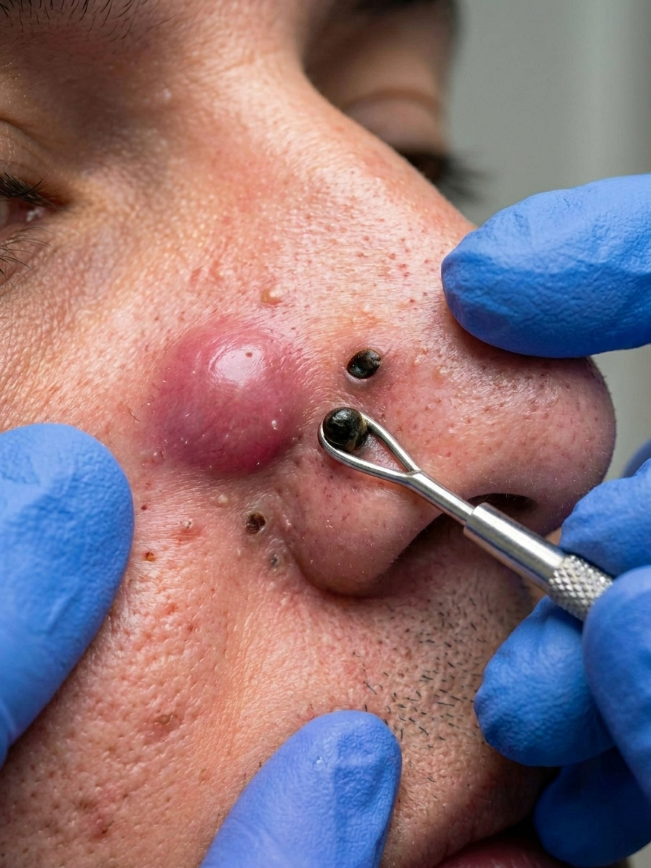
Health and Acne: The Role of Face Masks in Skin Care

Face masks can be a helpful addition to a balanced skincare routine,
especially for people who want to keep their skin feeling fresh and healthy. While they are not a cure for acne, the right face mask may support cleaner-looking skin by removing excess oil, lifting surface impurities, and providing gentle hydration. Choosing a product that matches your skin type is one of the most important steps for achieving the best results.
Clay masks are often preferred for oily skin because they can absorb excess sebum. Cream-based masks may be more suitable for dry or sensitive skin, helping to maintain moisture without causing discomfort. It is also wise to look for products labeled as non-comedogenic, which are designed to avoid clogging pores.
Using a face mask once or twice a week is generally enough for most skincare routines. Applying masks too often may leave the skin feeling dry or irritated. Before using any new product, performing a small patch test can help identify possible sensitivity.
Healthy skin also depends on daily habits such as gentle cleansing, regular moisturizing, staying hydrated, eating a balanced diet, and getting enough sleep. When used alongside these habits, face masks can become a simple and enjoyable way to support clearer, healthier-looking skin over time.
