
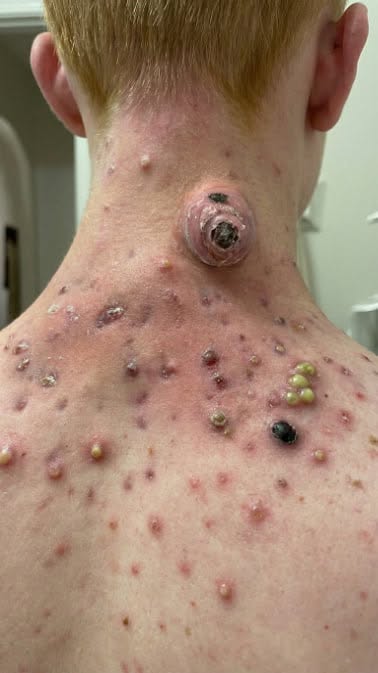
Health and Acne: Stress and Skin Health

Stress can affect many parts of the body, including your skin.
While occasional stress is a normal part of life, ongoing stress may contribute to changes that make acne more noticeable. When people feel overwhelmed, they may also be more likely to skip healthy habits such as getting enough sleep, drinking water, eating balanced meals, or following a consistent skin care routine.
Creating healthy daily habits can support both emotional well-being and skin health. Gentle cleansing twice a day helps remove dirt, oil, and sweat without irritating the skin. Choosing a lightweight, non-comedogenic moisturizer can keep the skin comfortable while protecting its natural barrier. Wearing sunscreen every morning also helps shield the skin from harmful UV rays.
Managing stress does not have to be complicated. Taking short walks, practicing deep breathing, stretching, reading a favorite book, or spending time with supportive friends and family can encourage relaxation. Regular physical activity and a consistent sleep schedule may also help improve overall wellness.
Healthy skin develops over time, so patience is important. Avoid picking or squeezing pimples, as this can increase the chance of irritation and marks. If acne becomes persistent or difficult to manage, consulting a qualified healthcare professional or dermatologist can help you find a treatment plan that suits your individual skin needs.
