
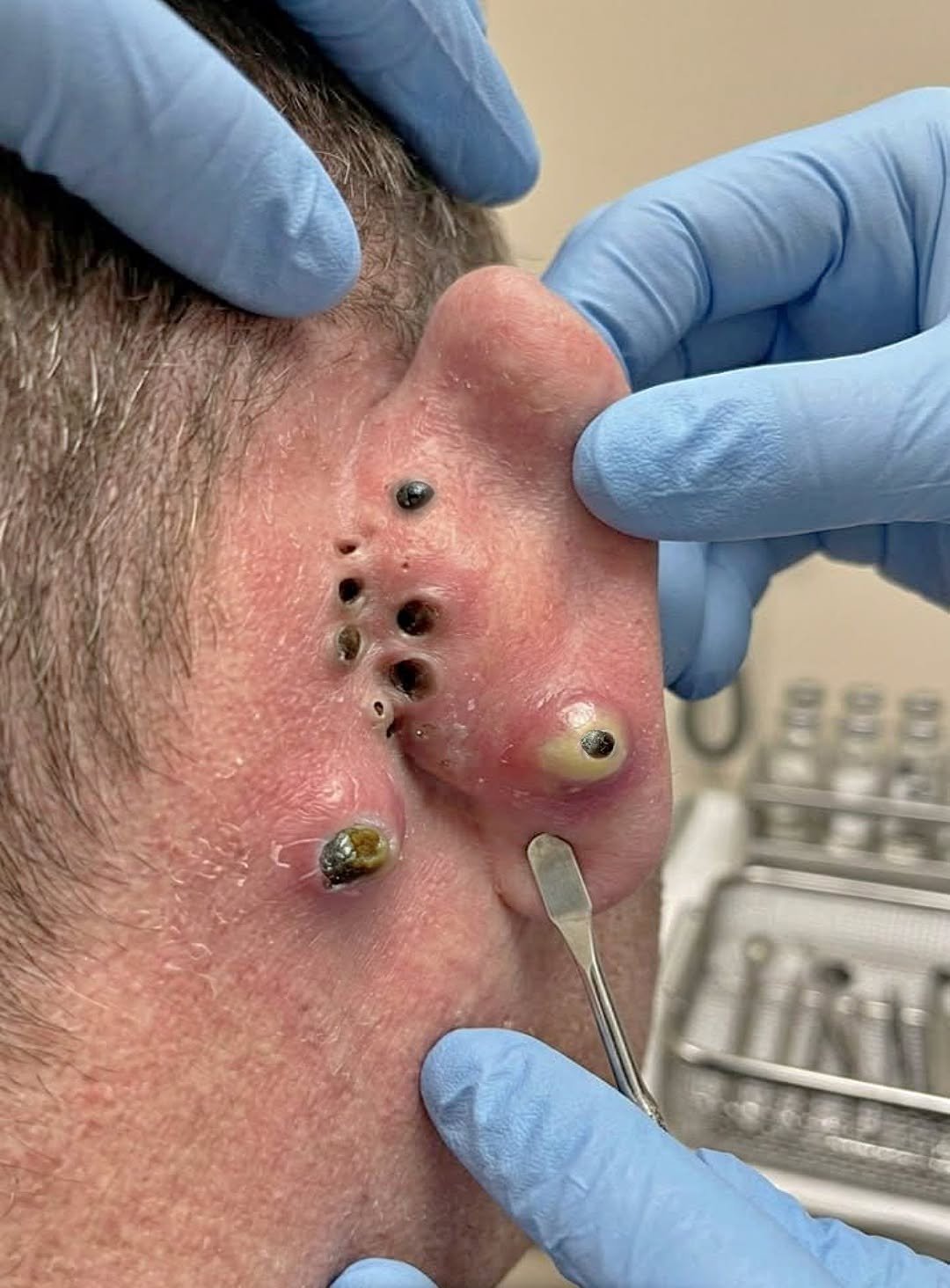
Health and Acne: How Sleep Affects Skin Health

Getting enough sleep is one of the simplest ways to support healthy skin.
While you rest, your body works to repair tissues, balance hormones, and renew skin cells. A consistent sleep schedule can help your skin recover from daily stress and maintain a fresh, healthy appearance.
Poor sleep may contribute to tired-looking skin and can make it harder for the body to manage natural processes that influence skin health. Lack of rest may also increase stress levels, which can affect the balance of hormones linked to acne. Although sleep alone cannot prevent or cure breakouts, it plays an important role as part of a healthy lifestyle.
Creating good sleep habits is a practical step toward better skin care. Aim for a regular bedtime, keep your bedroom comfortable, and avoid using electronic devices right before sleep. Washing your face each evening and using gentle skincare products can also complement healthy sleep habits.
Healthy skin is supported by many factors, including balanced nutrition, regular hydration, exercise, stress management, and proper skincare. When these habits are combined with consistent, quality sleep, they can help your skin look and feel its best. Small daily choices often lead to noticeable improvements over time, making healthy sleep a valuable part of overall wellness.
